Sizing Up Kids' Clothes: How Much Extra Room?
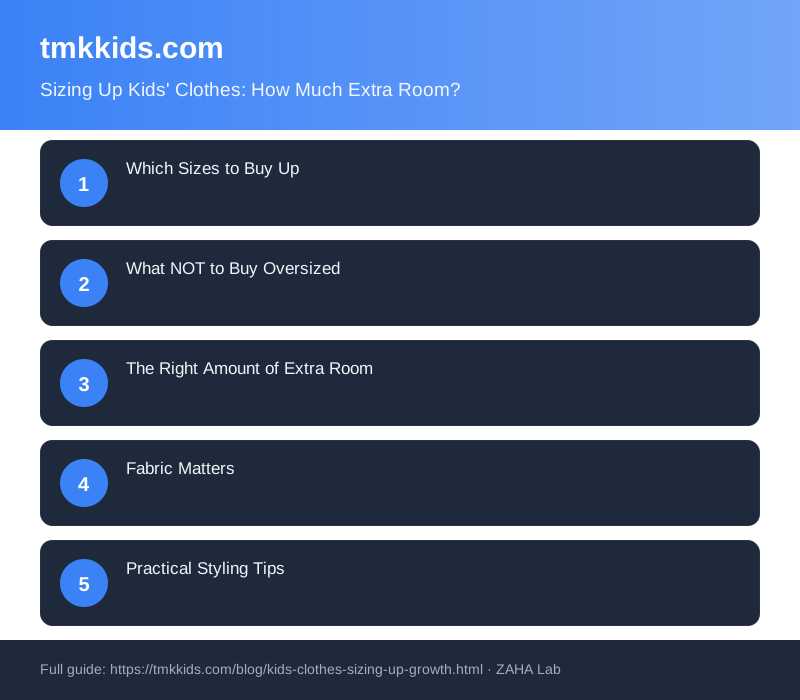
Children grow an average of 2-3 inches per year between ages 4 and 8, yet most parents buy clothes that fit perfectly on purchase day. Within weeks, that perfect fit becomes snug. The smarter approach is to buy up one to two sizes strategically, so clothes last through growth spurts without looking oversized or uncomfortable.
Which Sizes to Buy Up
Not all clothing benefits equally from sizing up. Stretchy tops like T-shirts and jumpers handle extra room better than rigid items. Trousers with adjustable waists or drawstrings are ideal candidates for buying larger, as they can be cuffed or the waist tightened with the built-in adjusters. School polo shirts and jumpers can typically go up one size without looking odd. Uniqlo kids' cotton T-shirts and similar basics are reliable choices for sizing up, as cotton has minimal shrinkage if washed correctly and dried appropriately.
What NOT to Buy Oversized
Shoes must fit correctly for safety and proper foot development. Never size up shoes. Socks and underwear should also stay true to size for comfort. Fitted items like leggings and snug cardigans lose their intended function when oversized. For items worn under uniform or against skin, comfort is non-negotiable, and poor fit can cause rubbing or restriction of movement during play.
The Right Amount of Extra Room
A good rule of thumb is 1-2 inches extra in length and no more than 2-3 cm around the waist for tops. Roll up trouser legs if needed during the first weeks of wear. As your child grows into the garment, hems can be let down or folded less. This avoids the "dressing in tomorrow's clothes" look while maximising wear time. M&S kids' school trousers with adjustable waists handle this particularly well, often extending 2-3 sizes as children grow, thanks to extra seam allowance built into the design.
Fabric Matters
Cotton shrinks, particularly at high temperatures. Buy cotton items slightly larger if washing in warm water or tumble drying occasionally. Synthetics and poly blends retain size better over repeated washing. Check care labels before purchasing and consider sizing accordingly. School uniform blends designed to be durable often resist shrinkage better than pure cotton basics, making them safer choices for buying up.
Practical Styling Tips
Oversized jumpers and tops can be tucked in or layered effectively. Belts work well with trousers bought large. Rolled sleeves on long-sleeved items look intentional and create visual balance. Pairing oversized pieces with well-fitting basics prevents an unkempt appearance. Quality school jumpers with relaxed fits are designed with this strategy in mind. Within 4-6 weeks, most growth-sized purchases will fit as intended, so temporary oversizing is a short-term trade-off for extended wear.
FAQ
How many sizes up should I buy?
Typically, one size up works best for most items. Two sizes is acceptable for basics like T-shirts with stretchy fabric, but risks looking too oversized for structured pieces like school uniforms or cardigans.
Will oversized clothes look odd on my child?
Not if chosen strategically. Stretchy basics, trousers with adjustable waists, and jumpers adapt well to growth. After 4-6 weeks, the garment will fit more naturally as your child grows into it. Avoid oversizing dress items, tailored jackets, or anything requiring precise fit.
What clothes absolutely should not be sized up?
Shoes, socks, underwear, and fitted dresses or formal wear must fit correctly for comfort, safety, and function. These items don't adapt well to sizing up and can restrict movement or cause rubbing.
How do I know if something shrunk or my child grew?
Check the garment against when purchased and against your child's measurements. A single wash shouldn't cause dramatic shrinkage with modern fabrics. If a cotton item tightens noticeably after one wash, check the care label for water temperature and consider sizing even larger on the next purchase.
Is buying up cheaper than replacing clothes constantly?
Yes, in most cases. A single outfit bought in a larger size lasts 50-75 per cent longer before outgrowing. This reduces overall spending on replacements and reduces waste, making it both economical and environmentally sensible.
Affiliate Disclosure: This post contains affiliate links to products we recommend. We receive a small commission if you purchase through these links at no extra cost to you.