Choosing the Perfect School Uniform for Kids
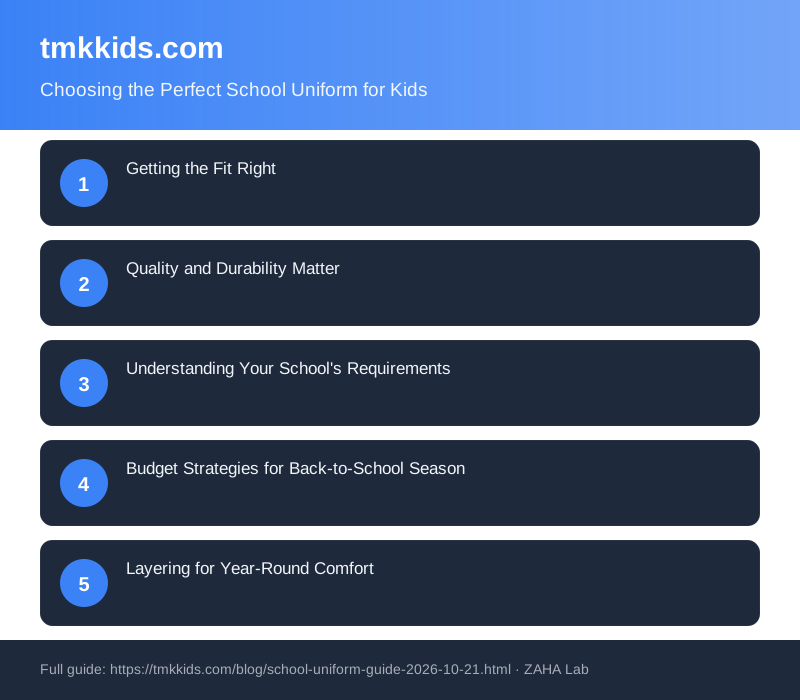
Nearly 70% of parents buy the wrong school uniform size on the first attempt, leading to frustration and unnecessary costs. Choosing the right school uniform involves understanding your child's accurate measurements, the school's specifications, and selecting durable, comfortable options within your budget.
Getting the Fit Right
Proper fit is the foundation of a good school uniform experience. A uniform that's too tight restricts movement and causes discomfort during a long school day, whilst something too loose can look untidy and affect your child's confidence. Start by measuring your child accurately: chest circumference, waist, inside leg length, and shoulder width. Measure with them standing straight and relaxed, not flexing or slouching.
Check the school's uniform supplier website for their specific size guide, as measurements can vary between brands. Many suppliers offer a half-size option between standard sizes, which can be ideal if your child falls between measurements. When possible, visit the shop in person to see how the uniform hangs on your child. Look for seams that sit properly at the shoulders and trouser legs that reach the top of the shoe without bunching.
Consider your child's growth rate when purchasing. Children in primary school may grow several centimetres in a single year, but buying too large can compromise fit and safety. The general rule is to allow about one finger's width of extra room in the chest and waist for comfort and growth, but no more.
Quality and Durability Matter
School uniforms endure significant wear: frequent washing, playground activity, and the occasional accident. Look for uniforms made from durable fabric blends. 100% cotton is comfortable but wrinkles easily and may shrink. Polyester blends resist wrinkles and shrinkage but can feel less breathable. A 65% polyester, 35% cotton blend often offers the best balance of durability, comfort, and easy care.
Examine the construction details. Quality uniforms feature reinforced seams, particularly at stress points like armholes and trouser crotches. Check the buttons and zips: they should feel solid and move smoothly. Hems should be straight and evenly stitched, not puckered or loose. Read reviews from other parents about specific brands if you're unsure.
School uniform suppliers often sell trousers and skirts that are specifically designed for heavy use. Brands like John Lewis school wear and specialist uniform retailers invest in reinforced fabrics that withstand daily activity better than standard children's clothing. The slightly higher upfront cost often saves money through fewer replacements.
Understanding Your School's Requirements
Every school has specific uniform requirements, and these details matter more than you might think. Some schools require specific colours, logos, or styles that aren't negotiable. Check your school's handbook or website for the complete list: the colour of socks or tights, whether jumpers must be specific shades, whether shoes need to be leather or synthetic, and whether jewellery is permitted.
Pay particular attention to logo requirements. Some schools require their official embroidered logo on jumpers and blazers, whilst others allow plain items. Buying uniform with an incorrect or missing logo might mean returning items and reordering. If your school requires logos, check whether the uniform supplier can embroider them or if you need to arrange this separately.
Budget Strategies for Back-to-School Season
School uniform costs add up quickly, especially if you're buying for multiple children. Plan your budget by calculating what you truly need: the school policy usually specifies a minimum number of shirts, jumpers, and trousers. You don't need to buy everything at once.
Shop strategically. Back-to-school sales typically run from July through September, with significant discounts in late August. However, popular sizes and colours sell out quickly during peak season. Mid-September often brings clearance sales when new stock arrives. Budget supermarkets and online retailers often undercut specialist uniform shops on price.
Amazon UK's school clothing collection offers competitive pricing and quick delivery, making it convenient for last-minute purchases or replacements. Specialist uniform retailers sometimes price-match competitors if you ask, so it's worth comparing quotes.
Layering for Year-Round Comfort
The uniform itself is just part of the outfit. Layering makes uniforms work across different seasons and allows for adjustment as your child moves between classrooms and outdoor play. A lightweight thermal base layer under the uniform keeps children warm on cold mornings without bulky jumpers that need removing later. Long-sleeved t-shirts under short-sleeved shirts extend their wearability from autumn through to summer.
Jumpers and cardigans are essential for winter months. Many schools allow children to wear standard school-coloured jumpers rather than branded ones, which gives you more choice and better pricing. Consider buying an extra jumper for days when one is in the wash.
Care and Maintenance Tips
Uniforms last longer with proper care. Wash items in cool water at 30 degrees to prevent shrinkage and fading. Turn jumpers and trousers inside out before washing to protect the outer surface. Remove stains promptly: most school-related stains like grass, ink, and food come out easier when treated fresh. Use a stain remover appropriate for the fabric type.
Dry uniforms flat or hang them rather than tumble drying when possible, as high heat can damage synthetic fibres and cause shrinkage. Fold items carefully to avoid stubborn creases. Many uniform fabrics need minimal ironing, but a quick touch-up on collars and cuffs keeps them looking smart.
FAQ
Should I buy uniform larger to allow for growth?
Allow about one finger's width of extra room for comfort and modest growth, but avoid buying sizes that are significantly oversized. Oversized uniforms look untidy and compromise safety on school trips. You can always buy replacement items as your child grows.
What's the best time to buy school uniforms?
July and August offer the widest selection, though prices are highest in peak season. Late August and early September bring the best sales, but popular sizes run out. If your school allows it, buying before summer or waiting until mid-September for clearance sales can save money.
Can I wash new uniforms before the first day?
Yes, and many parents recommend it. A gentle wash removes any finishing treatments and softens new uniforms. Wash separately the first time, as loose dyes can transfer to other items. This also helps you identify any sizing issues before school starts.
How many of each item should I buy?
Most schools recommend at least five shirts, two pairs of trousers or skirts, and two jumpers. This allows for regular washing without running out. Additional items reduce laundry frequency. Check your school's specific recommendations, as some require additional pieces.
What should I do if the uniform doesn't fit after purchase?
Most retailers allow returns within 28-30 days if items are unworn and tags are attached. Some specialist uniform suppliers offer exchanges if the fit is wrong. Always check the return policy before purchasing, and keep receipts and packaging until you're certain about the fit.
Related Products
School Uniform Trousers
Durable, easy-care trousers designed for daily school wear with reinforced seams and comfortable fit.
View on Amazon UK →School Uniform Polo Shirts
Breathable, wrinkle-resistant polo shirts in standard school colours. Polyester blend resists stains and shrinkage.
View on Amazon UK →School Jumpers and Cardigans
Comfortable knitwear in regulation colours. Available in standard sizes from infant to large children's sizes.
View on Amazon UK →